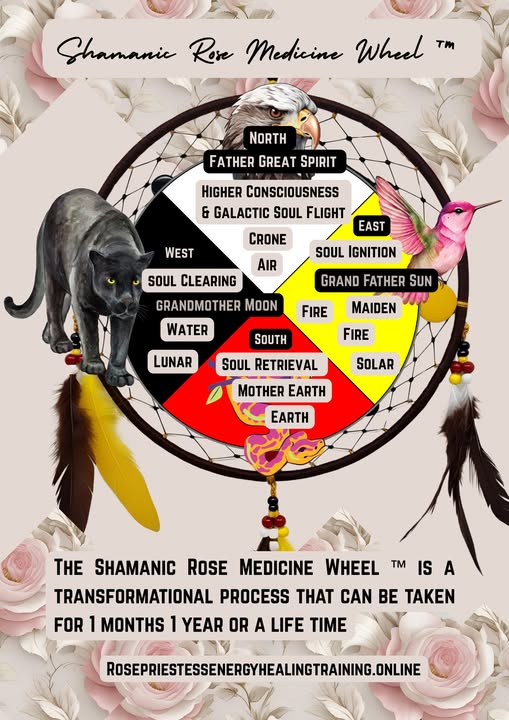
In the Northern Hemisphere Summer is coming to an end and we are moving into Autumn/Fall. On the Shamanic Medicine wheel the autumn fall is a time of release, a time of the black jaguar, the mysteries of the sea, going inward for self reflection and emotional healing. This is the energy of Grandmother Moon. Here we move to the West side of the wheel shrouded in mist and mystery. This is the season to move elegantly and onpoint towards your goals for the next quarter like the Jaguar. The Jaguar moves skillfully in the night and has the ability to move between worlds. Here we too have the ability to move between worlds and to connect to the unseen world and those that have gone before us.
Our ancestors have strong reasons to want to support us, they are always here for us and Autumn is a time of the thinning of the veils where if we so wish we are able to connect and to lay to rest old ancestral patterns and receive guidance and wisdom. Autumn/Fall is also a time on the Shamanic Medicine Wheel where we clear stagnant energy. Autumn Fall is a time we begin to look towards the prospects of the new year but we want to do this feeling light and without baggage. We must clear out some stuff here before we begin the closing out of the year. In the West of the Medicine Wheel we clear stagnant things and old aspects of ourselves, outdated archetypes, soul ties and soul patterns. We work with Water Medicine to replenish and nourish the soul.
Water Medicine
Water Medicine is the medicine of the West. The seas teach us how to understand the ebb and flow of life. When we connect to the waters we connect to an intelligence that has been here since the beginning of life. This coming season is about nourishing the body and replenishing the body with healing waters. This season is about speaking to the waters within. We are over 50% water. Water has an intelligence and responds to vibration, words and sound. This season is the opportunity for us to speak Ankh Udja Seneb into our lives Life, Health, Prosperity through our waters.
Water medicine reminds us that just as rivers shape the land, the waters within us shape our health, emotions, and vitality. In summer, when the fire element dominates, we turn to water as a balancing force, offering deep nourishment, cooling, and renewal. We can work with the water element in Herbalism through nourishing ourselves with infused waters, herbal teas, and fruit elixirs. Preparing a herbal tea, infused water, tincture, syrup or glycerite becomes a sacred act of replenishment opening a door way for alignment of mind, body and spirit. Water holds memory, responds to prayer, song, and intention, carrying blessings through every cell. By honoring our inner waters with words of power we invite life, health, and prosperity to move through us.

This Summer I tried my hand at making jam, syrup, oxymels, tinctures, vinegars and creams and lotions. I also took a deep dive into herbalism to fill in gaps in my actual herbal education. I learnt about plant botany and medicinal herbalism and plant spirit healing through courses and workshops. Leading into the summer I had studied Medical Herbalism for 3 months and had an eager wait to see if I passed the exam. I passed the exam gaining a Diploma in Medical Herbalism. Since then I’ve been immersed in a Community Herbalism Course and Medicine Making course by Herbalista, they are fantastic I’ve completed 60% roughly so far of both courses.
It’s been great exploring herbs that you can find in your kitchen or local supermarket. Kitchen Herbalism is about using what you have to create herbal remedies for you and your family.
The Fire Cider I learnt to create was a hit with my loved ones and so I made it again.

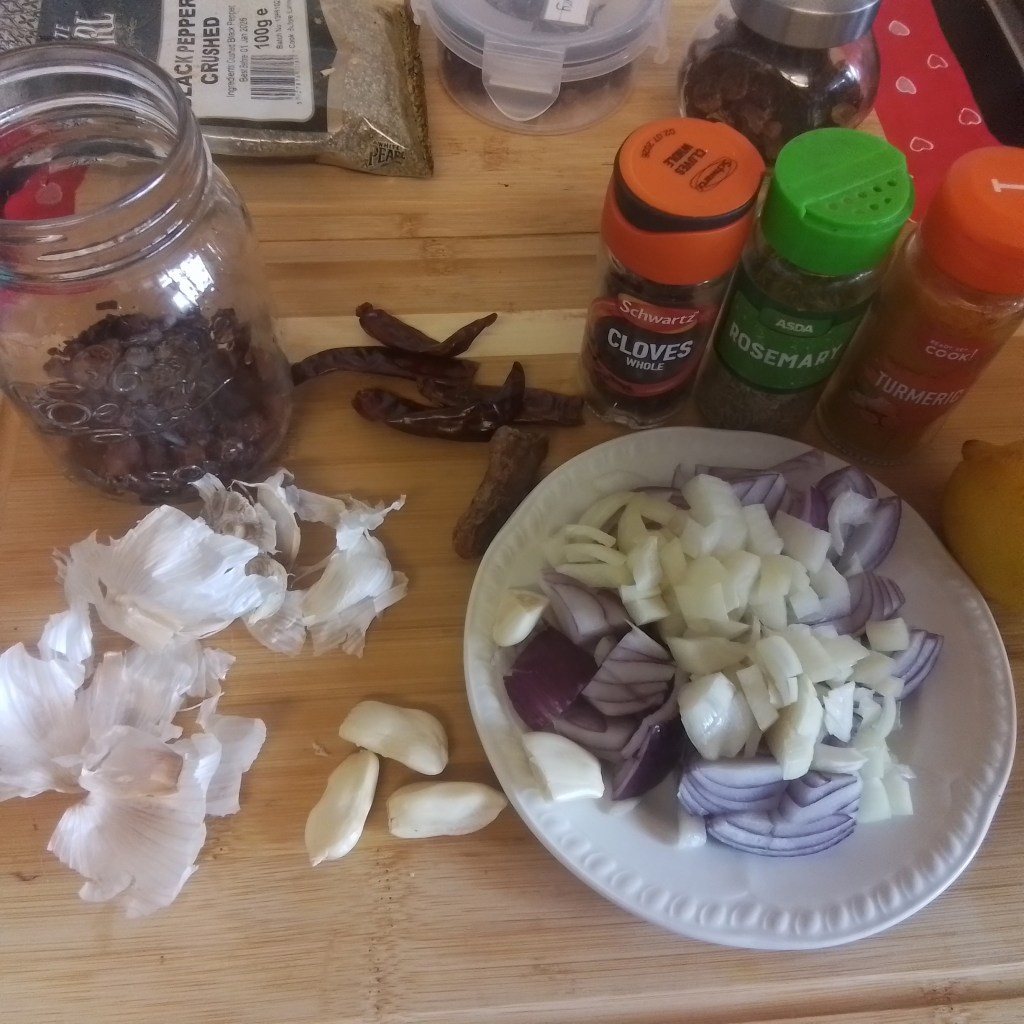
Onions, Garlic, Chilli Peppers, Ginger, Tumeric, Cardomon, Cloves, Nettles, Tulsi, Black Pepper have fully established themselves as stars in my eyes. Between teas and dinners and herbal research I’ve come to see these kitchen items as my personal staples. Take a look to see why below.
Onion (Allium cepa)
Onions belong to the Amaryllidaceae family and are known for their strong affinities with the respiratory and circulatory systems. They clear phlegm, stimulate circulation, and strengthen immunity. Folklore associates onions with protection against evil spirits and illness, often hung in doorways or carried as charms. Magically, they are tied to banishing, purification, and endurance. Energetically they are warming and pungent, moving stagnation. Onions thrive in temperate climates and prefer rich, well-drained soils. Best extracted fresh in food, broths, or as syrups, they also lend themselves well to vinegar preparations.Garlic
Garlic (Allium sativum)
Garlic is part of thes onion’s family and is famous for its antimicrobial, antiviral, and cardiovascular benefits. It strengthens the heart, clears infections, and boosts energy. In folklore, garlic is a legendary protector against evil forces, vampires, and disease. Magically, it embodies strength, protection, and purification. Energetically, garlic is hot, dry, and dispersing, helping to break up stagnation. It thrives in temperate zones, with cool winters for bulb development. Garlic’s active compound, allicin, is best preserved raw or lightly crushed; it loses potency when cooked long.
Chili Peppers (Capsicum spp.)
Chili peppers belong to the Solanaceae family and are fiery allies for circulation, digestion, and metabolism. They stimulate warmth, movement, and clarity. Folklore honors them as fiery protectors, warding off negative energy and illness. Magically, chilies are used in spells of passion, courage, and protection. Energetically, they are hot and pungent, awakening sluggish energy. Their main active constituent is capsaicin, which gives them heat and therapeutic properties. Best extracted in alcohol tinctures, oils (for topical use), or used fresh in food.
Ginger (Zingiber officinale)
Ginger belongs to the Zingiberaceae family and supports the digestive, circulatory, and immune systems. It warms the stomach, eases nausea, and invigorates energy. Folklore connects ginger with prosperity, love, and vitality, often used in magical cooking and ritual drinks. Magically, it sparks passion, power, and abundance. Energetically, it is hot, pungent, and sweet, dispersing cold and stimulating life force. Its rhizome contains gingerols and shogaols, potent anti-inflammatory compounds. Best extracted in teas, syrups, honey, tinctures, or used fresh in cooking.
Turmeric (Curcuma longa)
Turmeric, another Zingiberaceae root, is famed for its anti-inflammatory and liver-protective actions. It supports the blood, joints, and digestive system. In Indian folklore, turmeric is sacred, symbolizing purification, fertility, and divine blessing. Magically, it is used in protection, healing, and rituals of consecration. Energetically, turmeric is warming, slightly bitter, and pungent, moving blood and reducing damp stagnation. Its golden rhizome contains curcumin, the powerful yellow pigment with healing actions. Best extracted in fats, oils, honey, or alcohol for bioavailability.
Cardamom (Elettaria cardamomum)
Cardamom is a Zingiberaceae spice with strong digestive, respiratory, and mood-lifting properties. It soothes the stomach, eases gas, and freshens breath. In folklore, cardamom is linked to love, sensuality, and prosperity, often added to sweet offerings. Magically, it enhances clarity, harmony, and passion. Energetically, it is warm, sweet, and aromatic, balancing heavy or rich foods. Its phytochemicals include cineole and terpenes that aid digestion. Best extracted in teas, spiced milks, tinctures, or culinary infusions.
Cloves (Syzygium aromaticum)
Cloves, from the Myrtaceae family, are a powerful aromatic used for digestive and dental health. They stimulate circulation, relieve pain, and act as a strong antiseptic. Folklore links cloves with protection, friendship, and love charms. Magically, they are burned as incense for purification or carried for abundance. Energetically, cloves are hot, pungent, and dispersing. Their main active compound is eugenol, with analgesic and antiseptic qualities. Best extracted in oils, tinctures, or infused into syrups and mulled preparations.
Nettle (Urtica dioica)
Nettle, from the Urticaceae family, is deeply nourishing for blood, kidneys, and skin. It provides minerals, clears stagnation, and restores vitality. Folklore regards nettles as protective, used to ward off evil and strengthen resilience. Magically, nettles are employed for courage, defense, and banishing negativity. Energetically, they are cooling, drying, and strengthening, building vitality through nourishment. Nettles thrive in temperate climates, often near rivers and moist soils. Best extracted in long infusions, tinctures, or cooked as a green vegetable.
Tulsi (Ocimum sanctum / Ocimum tenuiflorum)
Tulsi, or Holy Basil, belongs to the Lamiaceae family and is a sacred adaptogen for the mind, lungs, and spirit. It calms stress, strengthens immunity, and clears the respiratory system. In Hindu tradition, Tulsi is worshipped as a goddess, bringing protection and blessing to the home. Magically, it is used for purification, clarity, and spiritual elevation. Energetically, Tulsi is warming, pungent, and uplifting, balancing mind and body. Its aromatic oils include eugenol and camphor-like compounds. Best extracted as tea, tincture, or infused oil for sacred use.
Now we’re nearing the end of summer I always feel a bit sad as the flowers begin to die but this year I’ve decided to start a mini green house with salad leaves, onions, spring onions, basil, mint, parsley, dill, spinach, thyme and Rosemary.

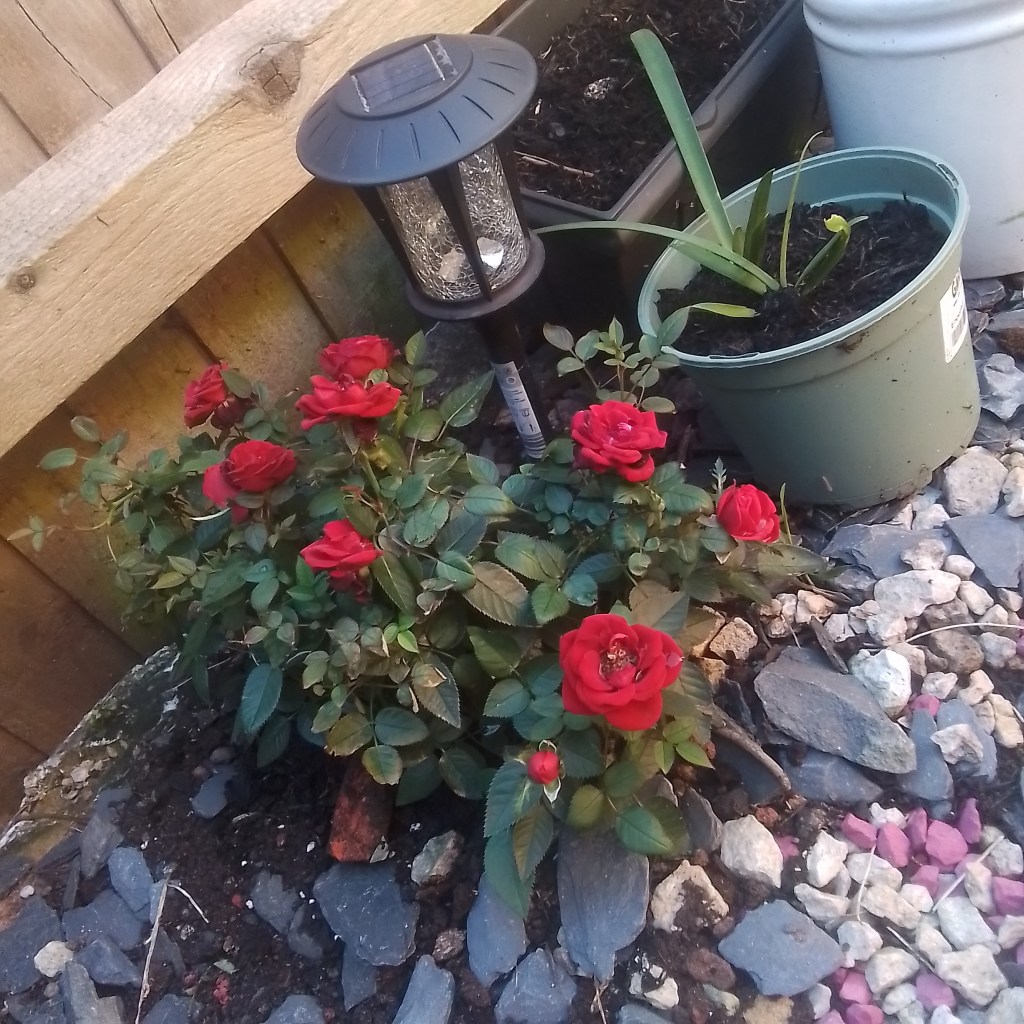
I’m hoping to eventually have an all year round small space garden that supplies me with some food. I always aim to work with plants from the Rose Family and this year I’ve decided to try and grow my own Roses again.
The last Rose plant I had, had its final flower head kicked off by my son’s ball to my dismay and how fitting that a ball is in the picture (above) I wont crop it out.

Small spaces require some creative thinking. In my case the first section of my garden is dedicated to flowers, plants the second half is a space for the kids and both are fairly small so we utilise the space as best we can. I love gardening and youtube opened the pandoras box for me on growing vegetables in a tiny space. I’ve seen how even the tiniest garden, balcony, or windowsill can become rich with life when planned intentionally. Vertical growing is one of the simplest ways to maximize space—herbs such as thyme, rosemary, or mint can be trained upwards in hanging planters, trellises, or shelves attached to a wall or fence, freeing ground space for other plants. Indoors, sunny window ledges are perfect for keeping small pots of basil, parsley, or chives within arm’s reach for kitchen use, ensuring fresh herbs all year round. Garden sacks or grow bags are another wonderful solution, they allow for cultivation of vegetables like salad greens, potatoes, or carrots even in the smallest corners. Companion planting is also a powerful practice for small spaces, tucking fast-growing herbs such as coriander between slower-growing crops, so nothing is wasted. With thoughtful design, even a modest garden can provide both nourishment and beauty while allowing for a sacred connection with the plants that we grow.
Plants have alot to teach us about co existing on this planet. Herbalism for me provides a deeper understanding of the Rose frequency and gives the theoretical, practical and scientific aspects whereas Plant Spirit Shamanism gives the experience and the connection. This path allows you to taste and experience the frequencies of the plants and to explore through the eyes of the heart. Working with plants physically to create natural products and growing them alongside working with them shamanically brings a depth of understanding of the plants that is personal and unique.
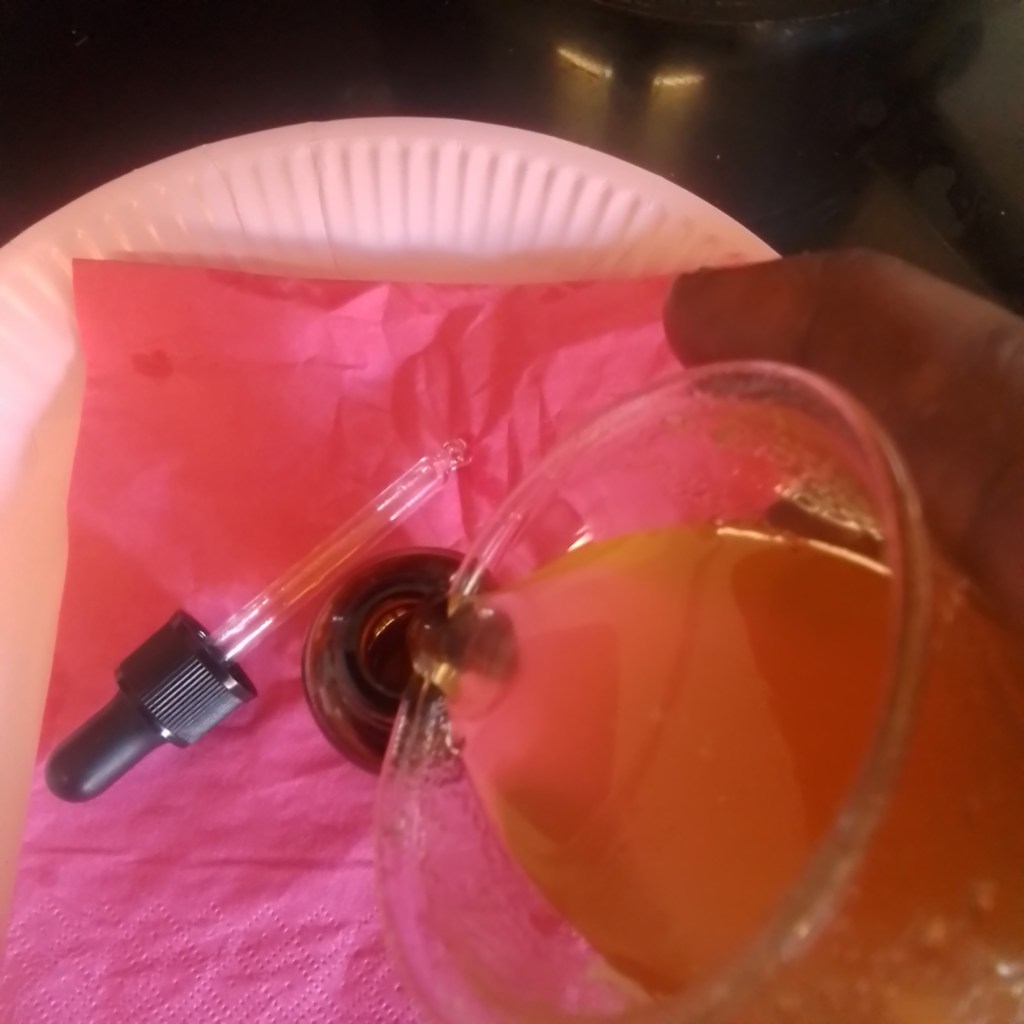
I have been working with Frankincense Resin infused Grapeseed Oil for a year now and I have finally bottled the last of my batch. This oil is super powerful and great for skin. I have been using and refilling a glass jar with frankincense resin for the past year and this final batch has really infused into the Grapeseed oil. The oil is thick and strong scented and has reduced irritation spots that I sometimes get.

Frankincense (Boswellia spp.)
- Species & Common Names:
Includes Boswellia sacra (Oman, Yemen), Boswellia carterii (Somalia), Boswellia frereana (Somalia), Boswellia serrata (India), and Boswellia papyrifera (Eritrea, Sudan, Ethiopia). Known as olibanum or luban. - Appearance:
Small, hardy trees with papery bark, pinnate leaves, and white to pale yellow flowers. Resin is harvested as golden, milky “tears” that harden into fragrant, translucent granules. - Cultivation Practices:
Grows in arid, rocky regions with poor soils. Trees are tapped by cutting the bark, allowing the resin to exude and harden before being collected. Overharvesting can damage the trees, so sustainable tapping involves rest periods.
History & Cultural Use:
Revered since antiquity across Egypt, Arabia, and India. Burned as incense in temples for purification and prayer. In Egypt, used in embalming and cosmetics. Mentioned in the Bible as a gift to Christ. Traded along the incense routes from Arabia to Rome and beyond, regarded as more precious than gold in some periods.
Methods of Application:
- Incense: Burned as resin on charcoal for ritual, meditation, and purification.
- Essential Oil: Steam distilled; applied in massage oils, skin care, and aromatherapy.
- Internal (traditional use): Resin chewed as gum for digestion and oral health in Middle Eastern cultures.
- Water Infusion/Decoction: Resin steeped for respiratory support or as a cleansing drink (still practiced in Oman and Yemen).
- Topical Poultice: Ground resin for wounds, inflammation, and skin healing.
Energetics:
- Western Herbalism: Warming, drying, uplifting. Moves stagnation, calms the mind, strengthens the lungs, and purifies spaces.
- Ayurveda (Boswellia serrata known as “Salai”): Reduces Kapha and Pitta, anti-inflammatory, joint and respiratory support.
- Traditional Chinese Medicine: Known as Ru Xiang; invigorates blood, reduces swelling, alleviates pain, used for trauma and menstrual issues.
- Spiritual/Energetic: Opens the crown chakra, facilitates prayer and meditation, connects human consciousness with the divine, cleanses stagnant energies.
Below image of my natural skincare product base formulas that I created to test their shelf stability. It’s been a few months with some products being 6 months old and they are still shelf stable. In my creams I have used a preservative and used Rose Water instead of tap water. I have also given away about 4 of my Rose and Rose, Blue Lotus and Frankincense creams and have been receiving feedback on them from friends and family.

The past few weeks I’ve been making herbal remedies with Hawthorn Berry, Hawthorn Leaves, Rose Hips, Peaches, Raspberries and Strawberries and crafting ideas for my next course. As part of my preparation I will be doing a Shamanic Dieta.
Now that I have enough herbs to study and get to know and work with I have been experimenting with herbal Tisanes/teas, jams, syrups, oxymels, vinegars and cocktails.

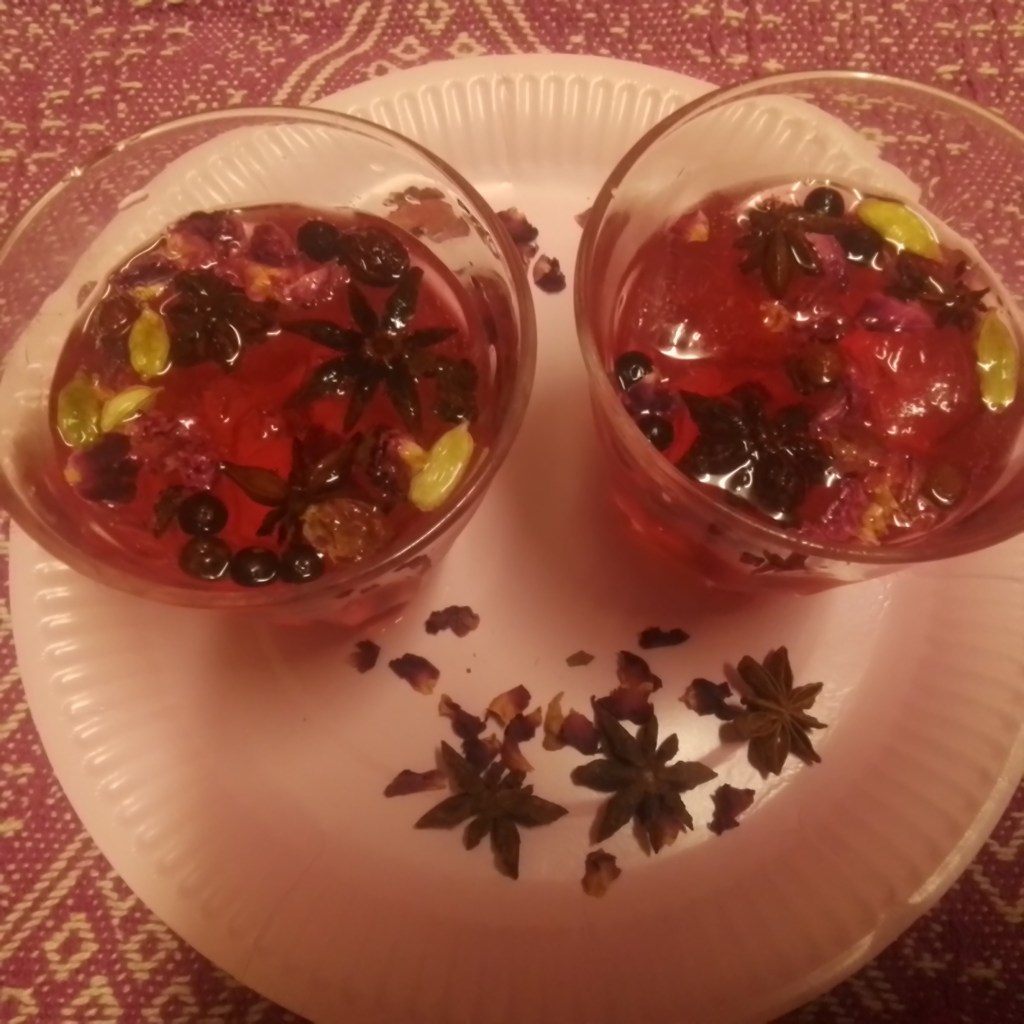
Below is one of my cocktail recipes:
Fragrant Summer Cocktail
Blackcurrant Cordial
Vodka
Lemonade
Rose Petals
Rose Hips
Star Anise
Cardamon
Honey
I also took a free course with Pam Montgomery and I’ve just started her book.

I’ve also been preparing the medicines I will use for my next plant dieta. A plant dieta is where you ingest mainly a certain plant for insight and spiritual benefits. The Rose Dieta I’m going to do this time will encompass the Roseacea family. Raspberries and Blackberries each have thorns or prickly leaves for protection, they grow here in natural wild spaces in forests and unkept open spaces. The Apples, Apricots, Cherries, Pears carry the seed within. Through my journey with the Rose the Rose has always delivered the message of developing more love, allowing more light in. When you see a juicy Raspberry or Blackberry they certainly lift the spirits and invite in the playful side. The Rosaceae family bring mystery stories like the ones we curled up to as children. One such tale is the tale of the Hawthorn tree and how it came to be planted in Scotland.
“Joseph of Arimathea is a Biblical figure who assumed responsibility for the burial of Jesus after his crucifixion.” See link as a basic starting point if you wish to explore Joseph of Arimathea further.
Some legends say Joseph of Arimathea fled with Mary Magdalene to Scotland with the thorned crown that had pierced Jesus’s head or a staff that jesus had. The stories vary with some saying Joseph planted the staff in the ground as he fell asleep and it took root and grew into a tree, others say the thorn crown grew into a tree. The Thorn tree is called the Holy Thorn Tree and it blooms each year at Christmas further my research points to that Hawthorn being the ancient Hawthorn Tree of Christ’s era dating back to the Middle East, distinguished by the fact it blooms twice a year when other varieties of the tree only bloom once a year.
This article below goes into more details of the stories or legends of Christ, The Hawthorn tree and Scotland
The Holy Thorn: In Glastonbury, England, a special hawthorn tree blooms every year at Christmas
Scotland is the setting for the Isle of Avalon also called The Isle of Apples.
When we look at the Venusian mysteries we have a story where the white rose is said to have bloomed from the sea foam when Aphrodite emerged. Red roses were said to have formed with Aphrodite’s blood when she pricked her feet on thorns. Again we see thorns featuring in the spiritual and religious myths of the time this time in Cyprus.
The Venusian Mysteries are rooted in the ancient worship of Aphrodite, the Greek goddess of love, beauty, fertility, and desire, whose Roman counterpart is Venus. Aphrodite was especially venerated in Cyprus, Paphos, Corinth, and Cnidus, where her temples and sacred rites often centered on fertility, sexuality, and the sea from which she was said to have been born. As a goddess connected with water energy, Aphrodite embodies the flowing, life-giving, and sensual qualities of the ocean, representing both creation and transformation. The planet Venus, named after her, further deepens her association with cycles of harmony, attraction, and the rhythms of nature, particularly the tides and the waxing and waning of desire. In the Venusian mysteries, working with Aphrodite invites initiates to embody love, beauty, and the sacred feminine, while honoring the water element as a mirror of emotion, intuition, and divine union.
It is this blending of folklore and myth alongside sacred practices that I most want to bring forward at this point. Merging the physical, spiritual and energetic aspects of herbalism allows us to go on a spiritual journey aswel as learn some scientific and academic stuff along the way. Herbalism is such a massive topic and Herbalism with the Rosaceae family is just so mouth watering good that this may be my area of focus for atleast the next quarter. Stay tuned for more recipes and fact finds about Pears, Cherries, Plums, Apples, Apricots, Nectarines and other goodies from the Rosaceae family and other tidbits that I will be learning, exploring and diving into in the Northern Hemisphere this winter.
And below I have included 2 short profiles of Apples and Apricots
Apples (Malus domestica)
- Medicinal: Digestive tonic, rich in pectin, supports heart health.
- Magickal: Associated with knowledge, love, and immortality; five-pointed star within symbolizes the pentagram.
- Religious/Folklore: Sacred in Avalon and Celtic lore; linked to Eve in biblical tradition.
- Shamanic: Used as a gateway fruit for journeying to otherworlds.
- Egyptian: Apple-like fruits offered in temples, symbolizing eternal sustenance.
Apricots (Prunus armeniaca)
- Medicinal: Rich in beta-carotene, supports skin, eyes, and digestion.
- Magickal: Linked to sensuality, love, and creative energy.
- Religious/Folklore: Sacred fruit in Armenia and Persia, tied to solar energy.
- Shamanic: Used in vitality and passion rites.
- Egyptian: Dried apricots and other fruits were offerings in funerary practices for nourishment.
If your interested in diving deeper into herbs and working with oils the 2 courses below might interest you. Until the end of the month you can still grab them for around $14.99 using coupon code LIONSGATE. You have life time access to the courses so you can take advantage of the offer and complete the courses anytime.

 Rose Priestess Energy Healing Training Online
Leave a comment