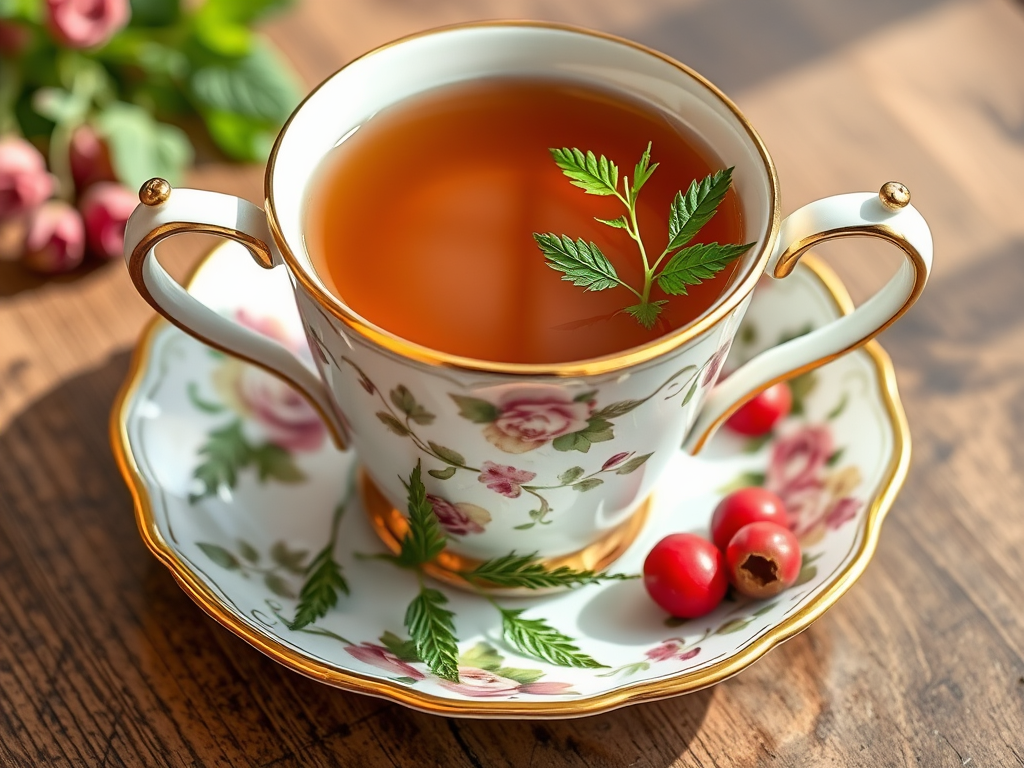
Ingredients:
- 10g Oatstraw
- 10g Nettle Leaf
- 10g Raspberry Leaf
- 10g Tulsi (Holy Basil)
- 10g Rose Hip
- 5g Cardamom
- 5g Licorice Root
- A pinch of Cinnamon
Preparation:
Add 5–10g of the blend into a tea caddy, tea ball, or unbleached tea bag. Cover with boiling water, steep 10–15 minutes, then strain. Drink warm or allow to cool and serve over ice.
The Herbs and Their Gifts
Oatstraw (Avena sativa)
- Western Herbalism: A nutritive tonic rich in calcium and magnesium, traditionally used to strengthen the nervous system, ease stress, and rebuild after exhaustion.
- Ayurveda: Cooling and grounding, supports ojas (vital essence) and promotes resilience to stress.
- Chinese Medicine: Nourishes yin, eases agitation, and strengthens the “shen” (spirit) through calm and replenishment.
- Native American Use: Oats were adopted for their strengthening properties, especially as a food-medicine for recovery.
- Folklore: Associated with fertility and abundance, symbolizing nourishment of body and spirit.
Nettle Leaf (Urtica dioica)
- Western Herbalism: A mineral powerhouse (iron, silica, calcium, potassium) for building blood, strengthening hair, skin, nails, and supporting adrenal energy.
- Ayurveda: Slightly warming, balances kapha and supports elimination of excess dampness (mucus, stagnation).
- Chinese Medicine: Moves stagnant qi, supports kidney yang, nourishes blood.
- Native American Use: Used as a spring tonic and for arthritis relief.
- Folklore: Protective herb, thought to ward off negativity and strengthen boundaries.
Raspberry Leaf (Rubus idaeus)
- Western Herbalism: Known as the “woman’s herb,” toning the uterus, easing menstrual cramps, and supporting fertility. Also a gentle digestive tonic.
- Ayurveda: Cooling, supports reproductive and digestive systems, balances pitta.
- Chinese Medicine: Used for uterine and kidney support, strengthening jing (essence).
- Native American Use: Widely used as a pregnancy tonic and general uterine strengthener.
- Folklore: Symbol of love and protection, raspberry leaves were carried for safe childbirth.
Tulsi / Holy Basil (Ocimum sanctum)
- Western Herbalism: Adaptogen for stress, uplifts mood, clears the mind, and strengthens the immune system.
- Ayurveda: Sacred plant of Lakshmi, balancing body, mind, and spirit. Strengthens prana, ojas, and tejas — life force, vitality, and inner radiance.
- Chinese Medicine: Warms the heart, clears dampness, and eases stagnation.
- Native Tradition Parallel: Similar to other sacred smudging plants, tulsi clears energy and uplifts spirit.
- Folklore: Regarded as a divine plant; kept near temples and homes to protect and purify.
Rose Hip (Rosa canina)
- Western Herbalism: Rich in vitamin C and antioxidants, supports immunity, collagen production, and heart health.
- Ayurveda: Cooling and rejuvenating, balances pitta, supports skin and emotional balance.
- Chinese Medicine: Moves qi gently, enriches yin, moistens dryness.
- Native American Use: Made into syrups and teas for immune health and nourishment.
- Folklore: Rose hips carry the protective and heart-healing essence of the rose, associated with love and resilience.
Cardamom (Elettaria cardamomum)
- Western Herbalism: Aromatic digestive, relieves bloating and gas, and adds warmth to blends.
- Ayurveda: Tridoshic — balances vata, pitta, and kapha. Clears ama (toxins), uplifts mood, and supports digestion.
- Chinese Medicine: Warms the middle burner, dispels dampness, awakens appetite.
- Folklore: Symbol of passion and prosperity, often used in love potions.
Licorice Root (Glycyrrhiza glabra)
- Western Herbalism: Soothes the throat and digestive tract, acts as an adaptogen, harmonizes blends.
- Ayurveda: Sweet, cooling, nourishing to ojas and supports adrenal strength.
- Chinese Medicine: One of the most important harmonizers in formulas, tonifies qi, moistens lungs, and relieves toxicity.
- Native Use: Incorporated later through trade; recognized for its sweet medicinal taste.
- Folklore: Associated with love and communication, thought to sweeten words and attract harmony.
Cinnamon (Cinnamomum verum)
- Western Herbalism: Warming circulatory stimulant, helps digestion, balances blood sugar.
- Ayurveda: Strongly warming, kindles agni (digestive fire), reduces kapha.
- Chinese Medicine: Moves yang, warms cold conditions, disperses dampness.
- Native American Use: Later adoption, valued as warming and comforting.
- Folklore: Associated with prosperity, protection, and sacred fire.
Mind, Body & Soul Benefits of the Tea
This tonic tea blend brings together nourishing minerals (oatstraw, nettle, raspberry leaf) with immune strength and heart-healing (rose hip, tulsi), balanced by warming aromatics (cardamom, cinnamon, ginger-like energetics of licorice). It deeply supports the nervous system, reproductive system, heart, and immunity, while also uplifting the spirit.
- Mind: Calms stress, clears fogginess, uplifts mood.
- Body: Strengthens blood, tones the uterus, supports immunity, balances digestion, and enhances vitality.
- Soul: Opens the heart, restores sacred balance, and connects you to ancient traditions of plant spirit medicine.
This is a tea for nourishment, resilience, and renewal — whether sipped hot for comfort or chilled as a refreshing tonic.
If you want to read more about Herbalism check out the posts below if you haven’t already

 Rose Priestess Energy Healing Training Online
Leave a reply to 5 Ways to try Herbalism for free – Rose Priestess Energy Healing Training Online Cancel reply