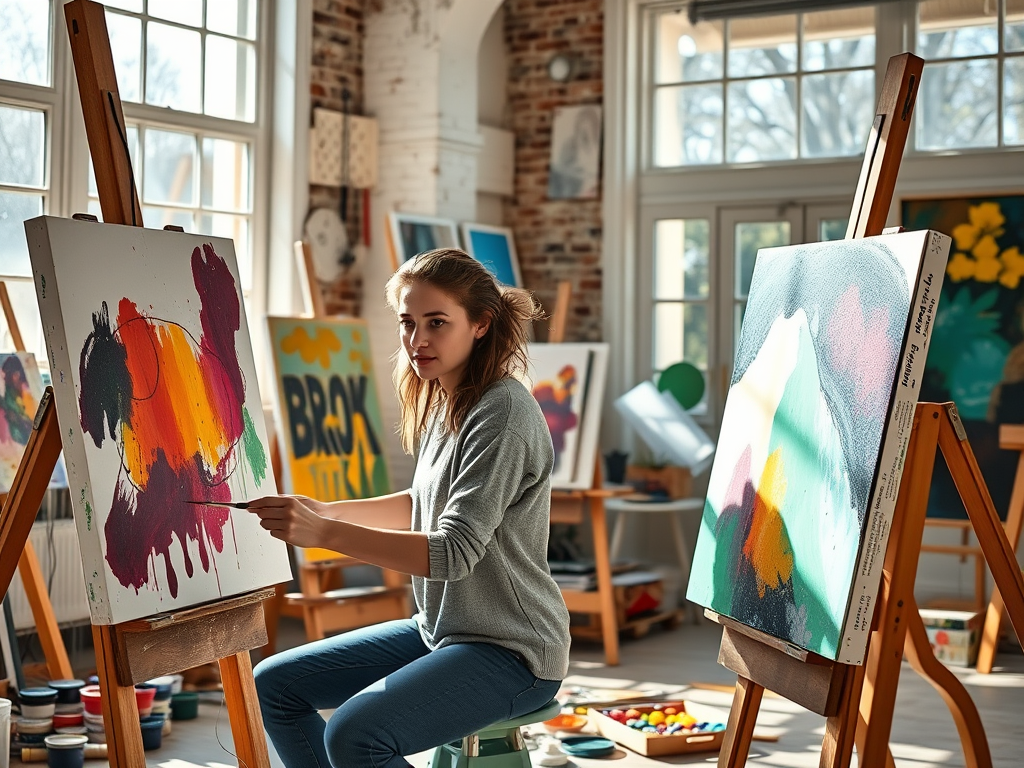
Creativity is often framed as a something we do when we have spare time and we feel calm. In reality, creativity is not an extra to only be enjoyed when everything else has been done. Creativity is a biological and emotional regulator, especially for people living with chronic stress, burnout, trauma histories, caregiving roles, or neurodivergent nervous systems.
When the nervous system is under prolonged stress, it becomes locked in survival mode. The body prioritises vigilance, problem-solving, and threat detection. Over time, this state exhausts us. Sleep becomes disrupted. Digestion slows. Emotions feel overwhelming or shut down entirely. Many people describe feeling disconnected from themselves, their bodies, and their sense of meaning.
Creativity gently interrupts this cycle.
When we engage in creative activity, the nervous system receives a signal of safety. The body begins to move out of fight, flight, or freeze and into a more regulated state. This happens not because we are “relaxing” in a conventional sense, but because creative expression activates parts of the brain associated with integration, imagination, and emotional processing.
For those who are burned out or emotionally fatigued, this shift can feel subtle at first. A softening of the shoulders. A slowing of breath. A sense of being present without needing to perform.Creativity gives the nervous system permission to rest while remaining engaged.From a neurological perspective, creative activities such as drawing, writing, music, movement, or crafting stimulate both hemispheres of the brain. This integration helps process emotions that are difficult to articulate verbally. For people who struggle to “talk it out,” creativity offers another language — one that bypasses the analytical mind and speaks directly to the body.This is particularly important for trauma-impacted and neurodivergent individuals. When the nervous system has learned that the world is unpredictable or overwhelming, verbal processing alone can feel unsafe or inaccessible. Creativity allows expression without pressure, without explanation, and without needing to get it “right.”
Creativity also introduces rhythm. Repetition. Flow. These are qualities the nervous system recognises as stabilising. Whether it is the repetitive motion of colouring, the steady beat of music, or the slow layering of words on a page, rhythm reassures the body that it is safe to stay present.
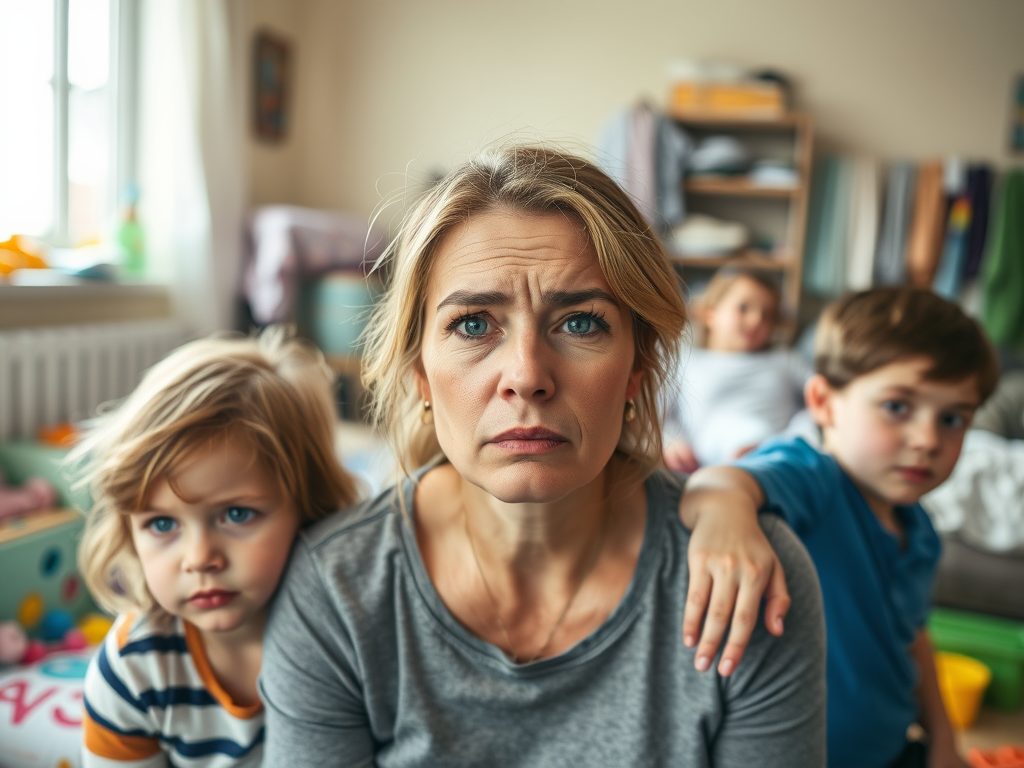
For caregivers, professionals, and mothers carrying invisible emotional labour, creativity offers something deeply restorative. It creates a space where nothing is required of you. You are not solving, fixing, or supporting. You are simply responding. This shift from output to expression can be profoundly regulating.
Creativity qllows us to take back our time as we take time out to be creative. When life feels dominated by obligations, creating something — even something small — reaffirms choice. It reminds the nervous system that you can initiate, respond, and complete something on your own terms. This sense of agency is essential for recovering from burnout and chronic stress.
Importantly, creative regulation does not require talent. It does not need to be productive or shared. The nervous system does not care if the drawing is good or the writing is polished. It responds to the safety of expression, not the quality of the result.
For those who feel disconnected from creativity, this often signals not a lack of ability, but a nervous system that has been in survival mode for too long. In these cases, creativity may initially feel uncomfortable, pointless, or emotionally charged. This is not failure — it is information. It shows where gentleness is needed.
Small, sensory-based creative practices are often the most effective starting point. Using colour without a plan. Writing without structure. Moving the body without choreography. Letting sound, texture, or rhythm lead rather than the mind.
Over time, these practices rebuild trust between the mind and body. The nervous system learns that it is safe to slow down, to feel, and to exist without constant vigilance.
Creativity does not remove stressors from life. What it does is strengthen your capacity to meet them without losing yourself in the process.
In a world that rewards productivity and endurance, choosing creativity is an act of regulation, resilience, and quiet resistance. It is how the nervous system remembers that life is more than survival — it is also expression, meaning, and connection.
Creativity is not something you add once you are well. It is often what helps you become well again.
Here are 10 easy projects that are low-pressure, accessible, and especially supportive for nervous-system regulation, self-expression, and gentle productivity:
- Art journaling Combining words, colour, collage, and doodles in a journal. No rules, no “talent” required — just expression and release.
- Vision boards (physical or digital) Creating visual representations of intentions, goals, or desired feelings using magazines, Canva, or Pinterest.
- Candle making Simple soy or beeswax candles with essential oils. A grounding, sensory-rich project with practical outcomes.
- Herbal tea blending Mixing herbs for mood, sleep, digestion, or ritual use. Accessible and deeply nourishing.
- Simple embroidery or visible mending Slow stitching for mindfulness, creativity, and gentle repair — very popular in nervous-system-friendly spaces.
- Watercolour or intuitive painting Flow-based painting without structure, focusing on colour, emotion, and movement rather DIY skincare or body oilsMaking balms, oils, or bath salts using simple natural ingredients for self-care and ritual.Creative writing or poetry journalingStream-of-consciousness writing, reflective prompts, or short poems as emotional processing tools.Collage makingCutting and assembling images, words, and textures — ideal for women who feel blocked with words.Sound or voice explorationHumming, toning, mantra chanting, or simple sound healing practices using the voice or basic instruments.outcome.
- DIY skincare or body oils Making balms, oils, or bath salts using simple natural ingredients for self-care and ritual.
- Creative writing or poetry journaling Stream-of-consciousness writing, reflective prompts, or short poems as emotional processing tools.
- Collage making Cutting and assembling images, words, and textures — ideal for women who feel blocked with words.
- Sound or voice exploration Humming, toning, mantra chanting, or simple sound healing practices using the voice or basic instruments.
 Rose Priestess Energy Healing Training Online
Leave a comment